 Insider know-how
Krabi national park fees: what to know before an island visit
7 分钟阅读Updated:
When you book a boat tour you first see the tour price – and often wonder whether national park fees in Krabi apply to the islands on top. This guide explains which islands belong to which protected area, how entrance fees work in general, who sets them, how they are paid and what to check before booking. Important upfront: the fees and rules are set by the national park authority and change from time to time. We therefore deliberately do not state specific amounts.
Contents
Short answer: there is no single fee
There is no single national park fee for Krabi, but several arrangements depending on protected area and destination. If a route visits several areas, you may pay several entries. The fee is usually charged per person; foreign adults generally pay more than Thai nationals, and different rates often apply to children.
The fee is set by the national park authority, not by the tour operator. It can change, and figures in blogs and forums are often out of date. The most reliable answer is therefore always the current information from the authority or your operator shortly before your date.
Whether and how much of an entrance fee applies at your destination, you will learn when booking.
Which islands belong to which national park?
Several protected areas lie around Krabi, each with its own rules. The following assignment is the common one; for borderline cases the authority or your operator decides which entry applies to your route.
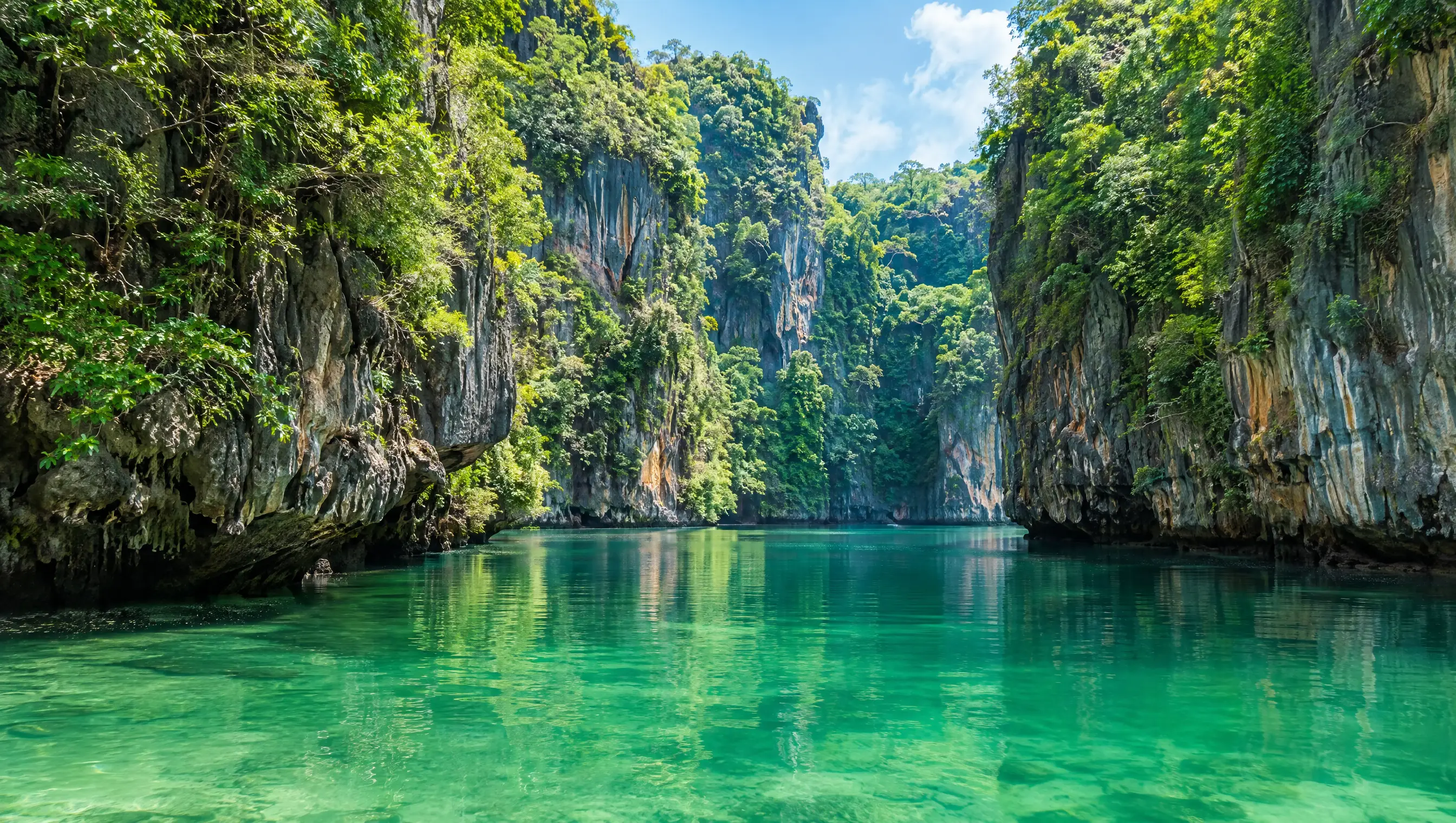
- Hong Island, Lao Lading, Pakbia: Hong archipelago area
- Poda, Chicken Island, Tup Sandbank (4 Islands): commonly assigned to Hat Noppharat Thara – Mu Ko Phi Phi National Park
- Phi Phi Don, Phi Phi Leh with Maya Bay: Hat Noppharat Thara – Mu Ko Phi Phi National Park, with special access rules
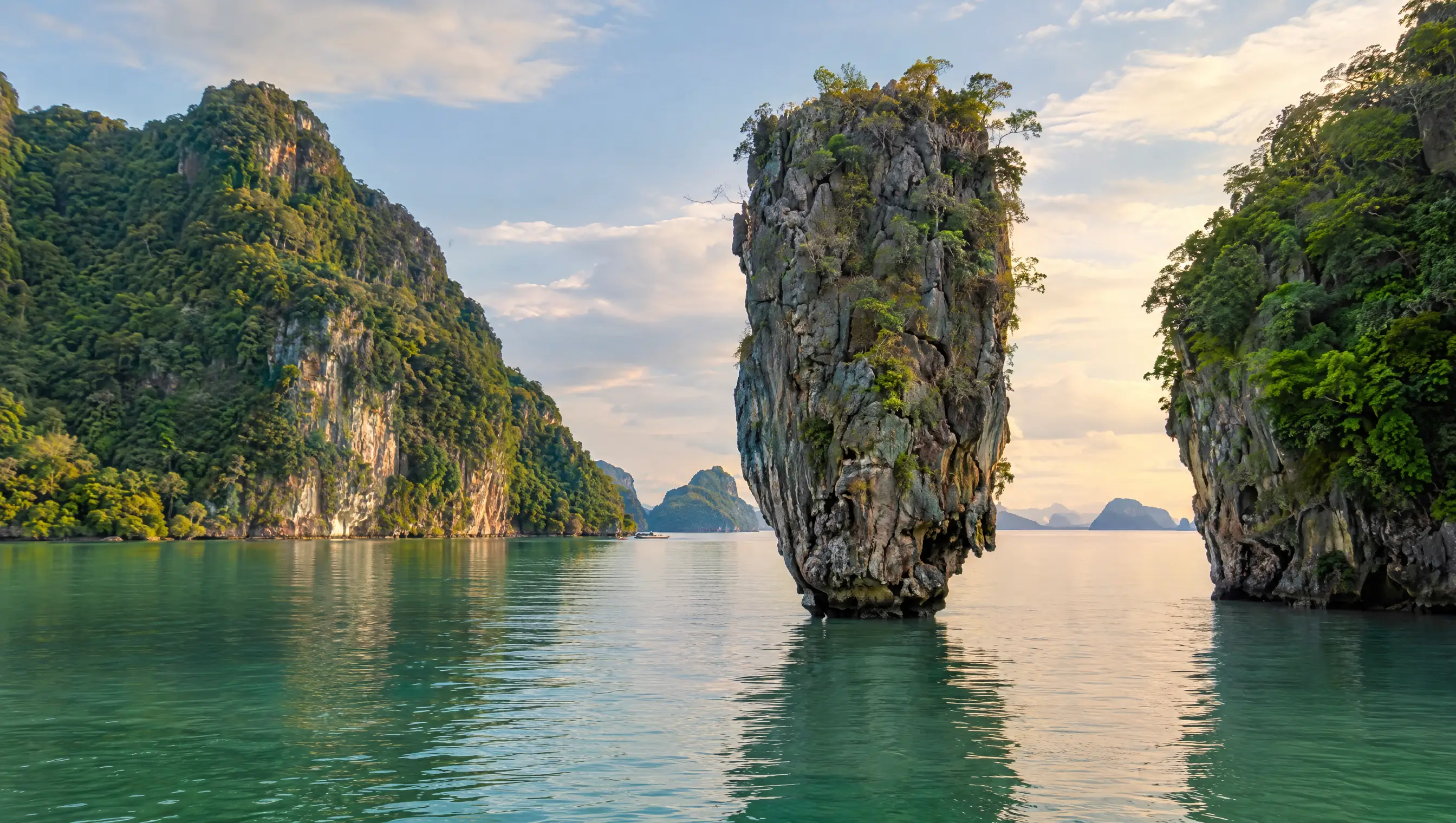
- James Bond Island and Phang Nga Bay: Ao Phang Nga National Park
- Koh Rok, Koh Haa: Mu Ko Lanta National Park, seasonally restricted
How the fee works: per person, on site, set by the park
National park fees are usually charged per person and per visit to a protected area and are paid on site to the park rangers or at the park entrance. Different rates may apply to adults, children, foreigners and Thai nationals. From which age or height a child rate applies can differ.
We do not want to create false precision here: the primary source is the national park authority (Department of National Parks, Wildlife and Plant Conservation). Operator and travel sites online are not always up to date. The rates that count are the ones posted on site.
For your planning this means: expect that one entry per person may apply for each protected area, and ask when booking what applies to your route.
Why information differs: area, status, revision
There are several reasons why two blogs write different things about the same island. First, the assignment of islands to areas is described differently: whoever says “4 Islands” means slightly different stops depending on the operator. Second, rates differ for foreigners, Thais, adults and children, and many texts mention only one.
Third, fees get revised and old information stays online for years. And fourth, some things depend on special rules, for example at Maya Bay, where access and rules are regulated separately.
This leads to the simplest rule: do not rely on a single piece of information from the web, ask your operator how the fee is handled for your route.
Cash payment, receipts and who pays
It is usual for national park fees to be paid in cash at a ticket counter or to the rangers, mostly in baht. Card payment is not reliably available on the islands. If you have to pay the fee yourself, bring enough baht in cash, ideally in small notes.
Keep the ticket or receipt for the day, as it may be checked in the park. The fee funds the protection of the areas, and a receipt creates clarity.
Ask before booking how the fee is handled on your tour, and have any open points confirmed in writing.
Entry on our tours: clarified when booking
Whether and how much of an entrance fee applies at your destination, you will learn when booking. Simply tell us in your enquiry which route interests you, and we will clarify the situation for your date.
All tour prices apply per boat for up to 5 guests, for example Hong Lagoons from 21,500 THB or Koh Rok Safari from 32,000 THB.
In practice: because our price applies per boat, the calculation stays clear. You compare your group’s total price, not individual items.
Closures and rules: Maya Bay, Koh Rok and more
National parks are not always accessible. Some areas are seasonally restricted or temporarily closed, for example for nature protection or because of weather. Koh Rok and Koh Haa are officially closed from 16 May to 15 November (some sources say until the end of October); the open season runs roughly from mid-November to mid-May. Check the current dates before booking.
Maya Bay has special rules on visit length, access and behaviour. They change from time to time, so we do not cover them here but in our article on Phi Phi and Maya Bay in the early morning. In general the rules in the parks are: take nothing, do not feed animals, do not touch corals, take your rubbish back with you.
These rules protect the areas where our tours take place. For us they are part of a good private charter – calm visits, fewer crowds and no burden on the reef.
Children, groups and several areas in one day
If a route visits several protected areas, an entry may apply for each area. On shared tours this often only becomes visible at the pier because only an entry price is quoted at first. With a private charter priced per boat you can plan cleanly: the group’s total price, food and drinks, and the question about entry that you clarify in advance.
Children are also worth a look: different rates often apply to them. From which age or height a child rate applies can differ. Ask about this for your family before you withdraw cash.
Where the fee goes and how to behave in the park
National park fees are part of protecting these areas: among other things they are meant to help fund the running, monitoring and upkeep of the parks. How exactly they are used is for the authority to decide. What is certain: islands like the Hong lagoon or Phang Nga Bay stay beautiful only if visitors behave considerately.
A few simple rules apply. Leave no rubbish behind, not even small wrappers. Do not touch or stand on corals, use reef-friendly sunscreen where possible and do not feed animals. In lagoons and caves keep your distance from rocks and marine life and follow the instructions of rangers and your captain.
A private charter with a small group makes this easier: with a maximum of five guests the impact on a bay is lower than with a boat carrying dozens of people, and we can choose times when it is quieter. You will find more tips in our packing list and etiquette guide for your boat day.
Checklist before you book
These points help you avoid surprises with national park fees:
- Ask whether and in what form an entrance fee applies to your route, also for children
- Ask how it is paid: usually cash in baht on site, keep the ticket, do not rely on card payment
- Ask about closures for your travel dates, especially for Koh Rok and Koh Haa
- Ask about multiple entries: how many areas does the route visit?
- Bring cash in small baht notes
常见问题
Who sets the national park fee for the islands near Krabi?
The national park authority. The rates depend on the area, are usually charged per person and can change. The rates posted on site are the ones that apply.
Do you pay an entrance fee for Hong Island?
A national park fee per person is usually charged for Hong Island, and different rates often apply to children. Whether and how much of an entrance fee applies at your destination, you will learn when booking.
Why do different rules apply to Phi Phi than to the 4 Islands?
Phi Phi and Maya Bay lie in an area with special access rules. The section on differences explains why information online contradicts itself; what counts are the current requirements of the national park authority.
How and where are the fees paid?
The fee is set by the national park authority and paid on site to the rangers at the park entrance. Details for your route you will learn when booking.
Can you pay national park fees by card?
Payment is usually in cash in baht; card payment is not reliably available on the islands. Bring enough cash in small notes and keep the ticket.
Experience this place privately
Private speedboat from Ao Nang for a maximum of 5 guests – route and timing planned around the tides and your wishes.
These private tours visit the places in this article.
7 小时 · 08:00 起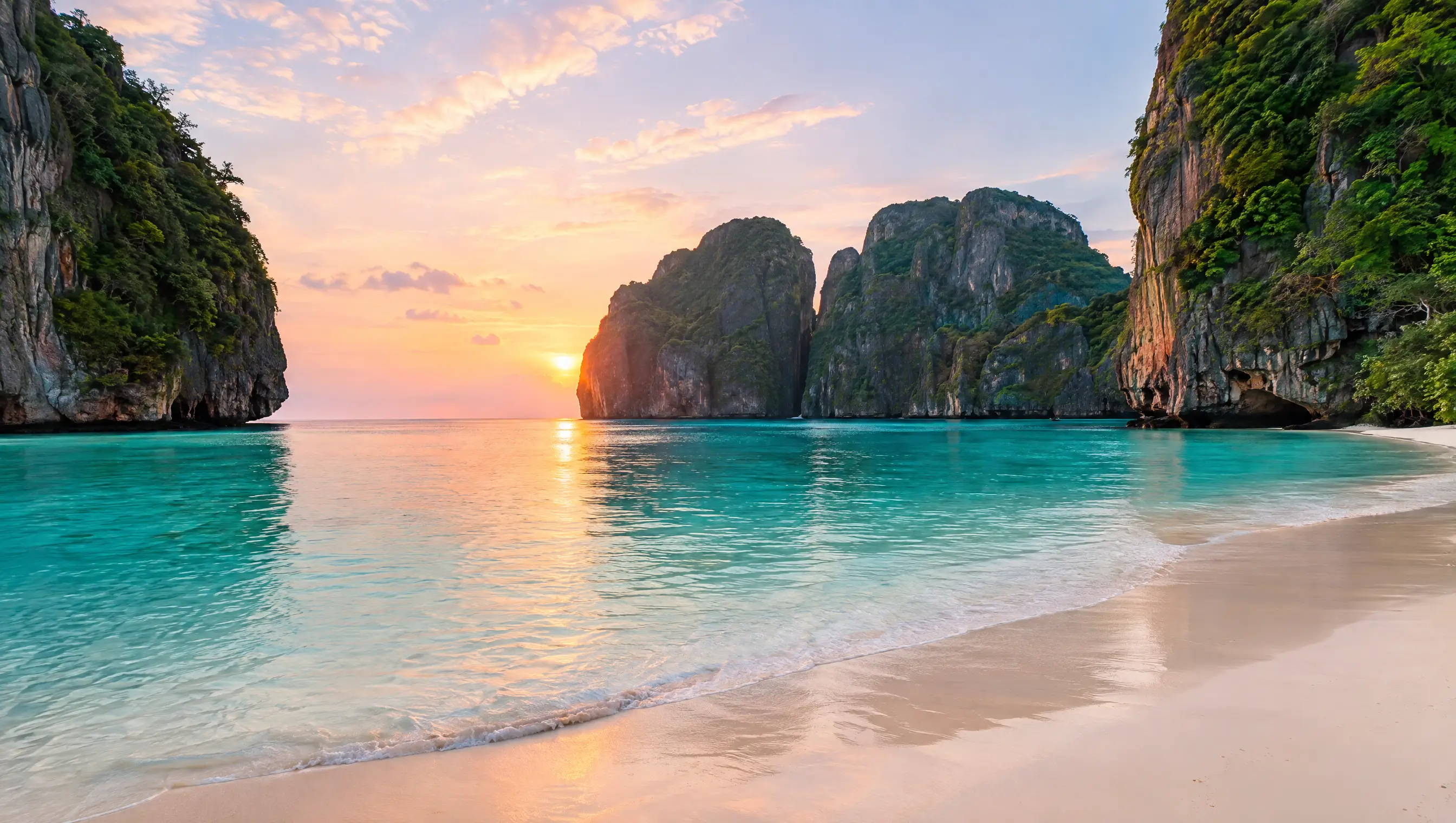 8 小时 · 07:00 起
Phi Phi Early Bird——抢先所有人
晨曦中的 Maya Bay、Pileh Lagoon 与 Bamboo Island。
起 ฿28,500 per boat · max. 5 guests
 8 小时 · 08:00 起